What is Biomethane?
Biogas and Biomethane
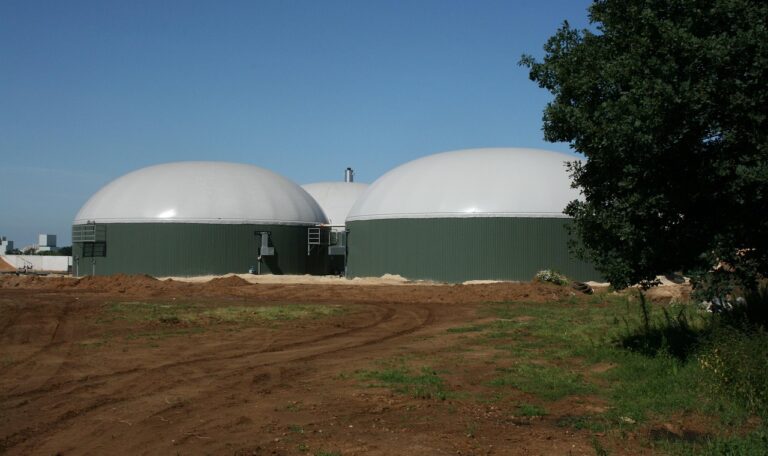
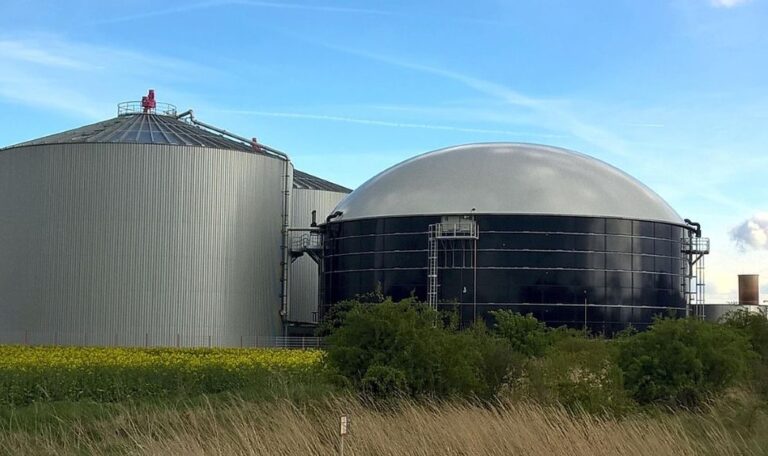
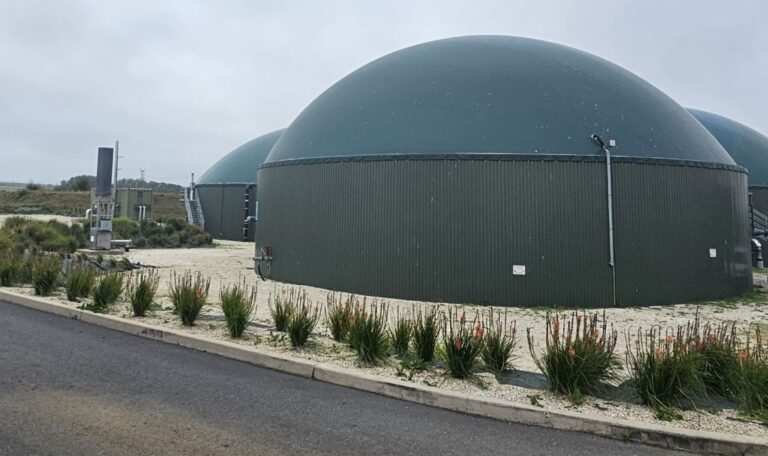
Biogas is produced through the decomposition of organic matter. These residues are placed in a biogas digester in the absence of oxygen. A variety of bacteria then decompose the organic matter, releasing a mixture of gases: 45 to 85% by volume of methane (CH₄) and 25 to 50% by volume of carbon dioxide (CO₂). The result is a renewable gas that can be used for multiple applications.
Biomethane is the upgraded form of biogas consisting of almost 100% methane, with a calorific value similar to that of natural gas. Biomethane can also be produced through gasification technologies or power to methane conversion. Its many applications include supplying heat and energy to buildings and industries, and producing renewable fuel for the transport sector.
Value Chains
Biomethane Production Technologies
Biomethane can be obtained from three distinct technologies:
- Anaerobic digestion (biochemical conversion), followed by the cleaning and upgrading of the biogas.
- Biomass gasification (thermochemical conversion), followed by the methanation of the carbon monoxide present in the synthesis gas. These are two largely complementary processes.
- Power to methane using biogenic carbon dioxide and green hydrogen, which is one of the most promising pathways for large scale biomethane production in the future.
Anaerobic Digestion
The anaerobic digestion process is based on the biological conversion of organic matter through the coordinated action of microorganisms in an oxygen-free environment, and consists of four sequential stages: hydrolysis, acidogenesis, acetogenesis and methanogenesis. The end result is the formation of biogas, which is primarily composed of methane and carbon dioxide. Biogas is a combustible gas with well established applications in the production of electricity and/or heat through direct combustion.
Anaerobic digestion is currently a mature technology with a Technology Readiness Level (TRL) of 9. In the short term, it will constitute the main value chain for biomethane production, with several units already in operation in Portugal and across Europe. It is also the most widely used process for biomethane production, accounting for around 90% of global production.
As a biotechnological process for the treatment and valorization of effluents and organic waste, anaerobic digestion enables the reuse of a wide variety of biodegradable organic substrates, primarily from the food industry, livestock farming, the organic fraction of urban waste and sludge from wastewater treatment plants. Additionally, the digestion process produces a digestate that can be used directly in agriculture as an organic soil amendment. After appropriate treatment, it can also be used as a biofertiliser for commercial purposes.
Biomass Gasification
Gasification is a thermochemical conversion process for biomass or wastes that takes place at high temperatures, between 700–800 °C, and with lower amounts of oxygen than those used in complete combustion. The process can be divided into three phases:
- Production of synthesis gas (a mixture of hydrogen, carbon monoxide, carbon dioxide, methane, water, and tar rich in oxygenated vapors);
- Production other gaseous products, such as light olefins and aromatics; and of
- Production of ash and other compounds, by thermal cracking of heavy or light tar at high temperatures.
Power‑to‑Methane
Power to methane (PtM) technology is an emerging route for biomethane production. The process consists of converting renewable electrical energy into chemical energy using carbon dioxide and water, offering the possibility of connecting the electricity grid to various sectors where methane is needed, such as industry, the domestic sector, and mobility.
Typically, these facilities include electrolysers for the production of renewable hydrogen, a carbon dioxide separation unit (using carbon dioxide present in biogas, captured carbon dioxide, etc.) and a methanation unit where both gases are converted into biomethane through the Sabatier reaction. PtM technology can be considered a form of carbon dioxide methanation with renewable hydrogen and is part of the so-called Carbon Capture and Utilisation (CCU) technologies. These technologies offer a response to the global challenge of decarbonization, particularly when the source of carbon dioxide used comes from major emitting sectors such as industry or transport.
Purification Technologies
Two steps are required to produce biomethane from biogas:
- Cleaning, which involves removing impurities from the biogas; and
- Upgrading, which removes carbon dioxide and consequently iincreases methane concentration.
The most widely biogas upgrading technologies used in Europe are membrane separation (47% of all installations), water scrubbing (17%), amine scrubbing (12%) and pressure swing adsorption or vacuum pressure swing adsorption (PSA/VPSA).
Membrane separation relies on the difference in permeability of the gases present in the biogas. This technology offers high flexibility in terms of the different process parameters and allows for the recovery of around 98.5% of methane. Water scrubbing uses the differences in solubility of carbon dioxide and methane in a given solvent — in this case, water — and allows for methane recoveries of about 98%. The process of amine scrubbing is similar but uses basic chemical solvents such as amines to recover methane at rates of around 99.9%. Finally, PSA/VPSA uses pressure differences together with a suitable adsorbent for gas purification, achieving methane recoveries of up to 99.5%.
Potential Benefits
Significant reduction of greenhouse gas (GHG) emissions
Biogas and biomethane reduce emissions across the entire value chain, with a triple effect on emissions mitigation. Firstly, they prevent emissions that would otherwise occur naturally: organic waste is taken to the controlled environment of biogas plants, preventing emissions produced by the decomposition of organic matter from being released into the atmosphere. Secondly, the biogas and biomethane produced replace fossil fuels as energy sources. Thirdly, the digestate obtained in the biogas production process can be used as a biofertiliser, helping to return organic carbon to the soil and reducing the demand for fossil-based mineral fertilisers.
Clean transport
Recent studies show that biomethane is an effective way of reducing GHG emissions from transport, which in 2022 accounted for 29% of total emissions in the EU (EU Federation for Transport and Environment). Biomethane is used as a biofuel in the form of a substitute for compressed natural gas (CNG) or liquefied natural gas (LNG). Liquefied biomethane can be used in heavy road transport and the maritime sector, both of which are difficult to electrify in the short to medium term.
Waste recycling
Biogas and biomethane are generated from different types of organic waste, transforming it into a valuable resource, which is the fundamental principle of an efficient circular economy. Food waste or wastewater produced in cities can be recovered and used to produce renewable energy. In the countryside, agricultural waste biomass and livestock manure can be converted into energy, while the digestate can be used as organic fertiliser. This enables the development of new business models in the agricultural sector, making it more cost-effective and encouraging sustainable farming practices.
Renewable heat and power
In Europe, combined heat and power (CHP) engines are a common way of utilising biogas. The idea behind CHP is that generating power and heat together is more efficient than generating them separately. Depending on the design of the biogas plant, some of the heat from CHP can be used to support the digestion process in the plant. The electricity produced can be fed into the electricity grid, while any surplus heat can be made available for local heating applications.
Agroecological transition
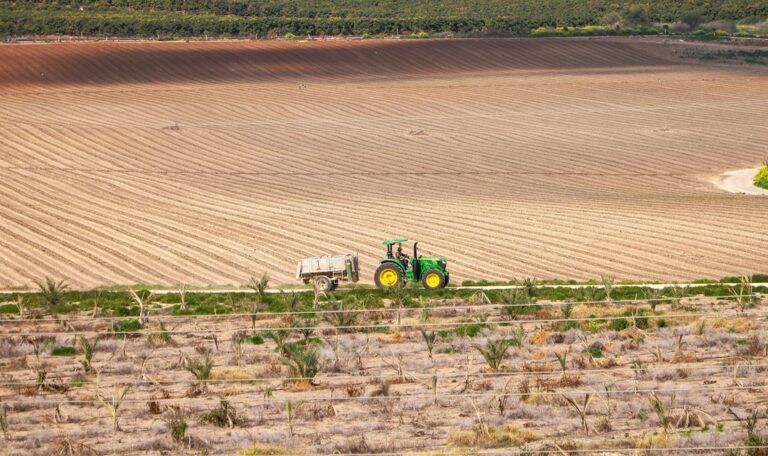
In many rural areas, agriculture is one of the main economic activities. Agriculture is also an important contributor to renewable energy production, including biogas. Combining agricultural activities with renewable energy production through biogas brings multiple benefits: it helps farmers manage their waste efficiently, reduces emissions from agriculture, and improves soil quality and biodiversity on agricultural land.
In these healthy ecosystems, plants absorb carbon dioxide from the atmosphere, acting as carbon sinks; the digestate used as organic fertiliser returns nutrients to the soil; methane emissions from livestock are taken into the controlled environment of a biogas plant instead of being released into the atmosphere; and the use of sequential crops protects the soil and increases biodiversity.
Closing the carbon loop
Carbon dioxide is a byproduct of biogas upgrading into biomethane. The carbon dioxide can be used to maximise photosynthesis potential in greenhouses or microalgae photobioreactors or valorised in the food industry. Valorising carbon dioxide after biomethane production completes the entire carbon cycle and ensures that carbon is removed from the atmosphere.
Miths
It is not renewable – Biomethane is produced from organic waste (agricultural, urban and industrial). It is renewable because it forms part of the natural carbon cycle. Furthermore, it can be carbon-neutral or even carbon-negative, as it prevents methane emissions from waste.
It competes with food production – The dominant model in Europe uses agricultural residues, manure and urban waste. It does not rely on crops that occupy agricultural land.
Its potential is irrelevant – Countries such as Denmark already have >40% renewable gas in the grid and aim to reach 100% by 2030. The European Commission is setting ambitious targets (REPowerEU). In Portugal, the potential is significant and largely untapped.
It is too expensive – Costs are decreasing with scale. It avoids external costs (waste management, emissions, energy imports). When integrated into the circular economy, biomethane creates systemic value, not just energy.
It does not contribute to energy security – Production is local, reducing dependence on imports and utilising national resources. It is one of the few renewable energy carriers that can be stored and dispatched.
It is the same as natural gas, therefore not green – Chemically, it is similar to natural gas, but its source is 100% renewable. It can use the same infrastructure, which is a strategic advantage.
Digestate is a problematic waste product – In most cases, digestate can be used as an organic fertiliser to replace fossil-based chemical fertilisers.
It lacks scale – Examples from Germany, Denmark and France demonstrate industrial-scale production. The difference lies in public policy and regulation. Portugal is lagging due to administrative and legal barriers, not a lack of domestic resources.
It is not relevant to decarbonisation – Biomethane is critical for energy-intensive sectors that are difficult to electrify, in waste management and in reducing methane emissions, e.g. from agriculture (a greenhouse gas far more potent than CO₂).
It is merely a niche solution – It can play a structural role in the national energy system, in reducing emissions from agriculture, in contributing to the circular economy and in territorial cohesion.
Biomethane is not just energy — it is an integrated solution for waste, climate and energy security.